Does My Child Need Grommets? Ask What Supports the Recommendation
Does my child need grommets? The answer depends on the examination, hearing findings and history, together with the child’s circumstances. A recommendation should explain why tubes may help now and how the alternative of observation would work where reasonable.
ENT Surgeons Melbourne helps parents prepare that comparison. This guide focuses on the decision. The separate grommets page explains the procedure, while glue ear information describes retained middle-ear fluid.

Consider the next step.
Should my child have grommets after one finding?
“Should my child have grommets?” cannot be answered from one unexplained finding alone. The clinician considers what was seen, how long the concern has lasted and whether hearing or another relevant issue supports intervention.
Ask why the recommendation is being made now. A recent fluid finding and a continuing hearing effect can need different discussions. Additional needs may also influence whether waiting is appropriate.
When to consider grommets depends on the clinical goal
When to consider grommets depends on the problem the operation is intended to improve. Ask whether the main issue is persistent fluid, hearing or a particular infection pattern. The goal should be specific enough to review afterwards.
A grommet decision for children should include the alternative
A grommet decision for children should explain the reasonable alternative, including what observation would involve. Ask which change would lead the clinician to recommend a different course.
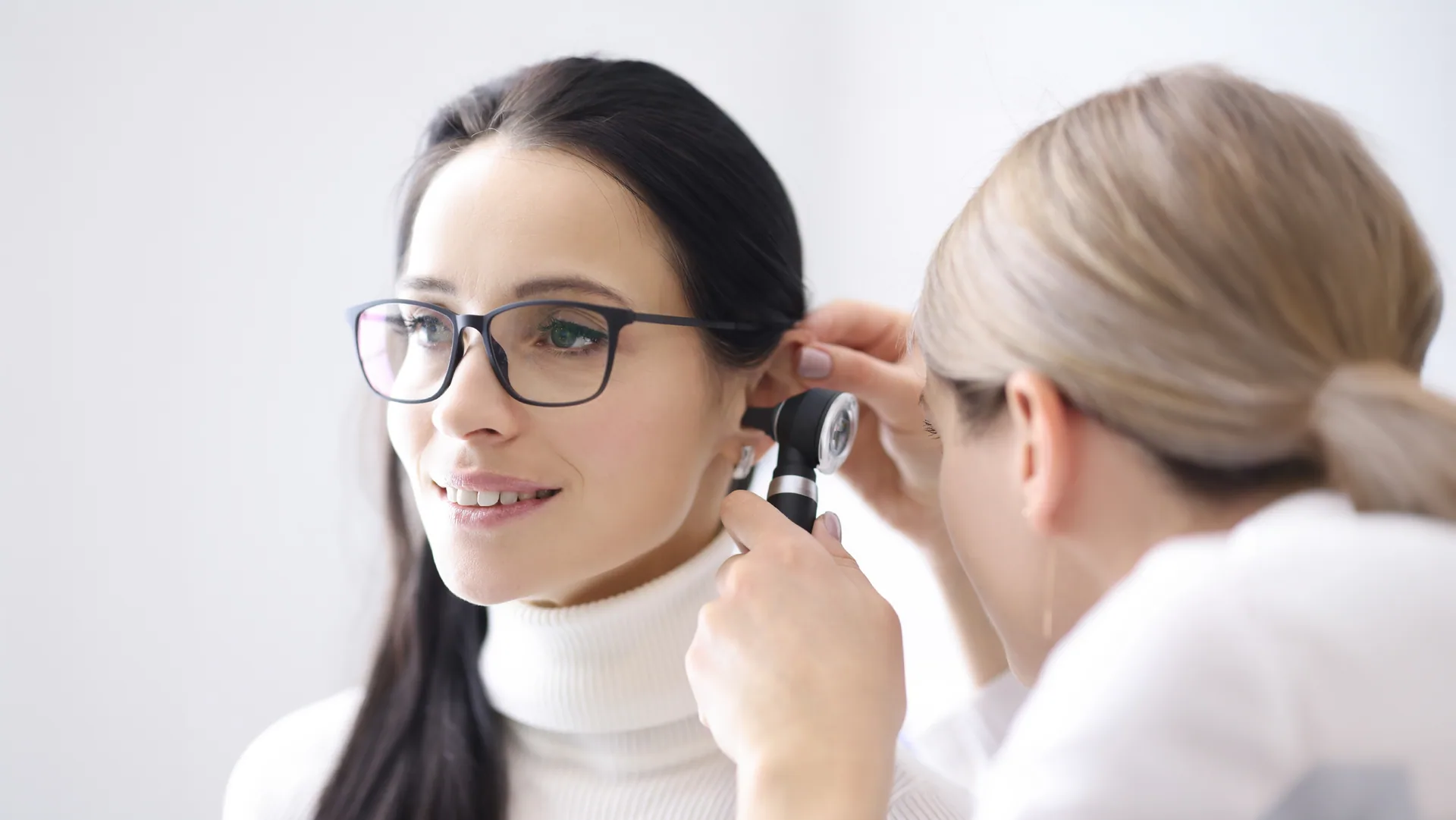
Ear fluid history: establish what has persisted
Ear fluid history should show when the finding was identified and whether it continued or cleared between visits. Bring earlier examination records where available rather than estimating a continuous duration from separate illnesses.
Fluid behind the eardrum is different from wax and is not necessarily an active infection. If pain, fever or discharge recurs, record those episodes separately so the diagnoses can be understood.
The Royal Children’s Hospital glue ear guide explains why some cases settle while persistent hearing effects can change the treatment discussion. Your child’s own course determines how that information applies.
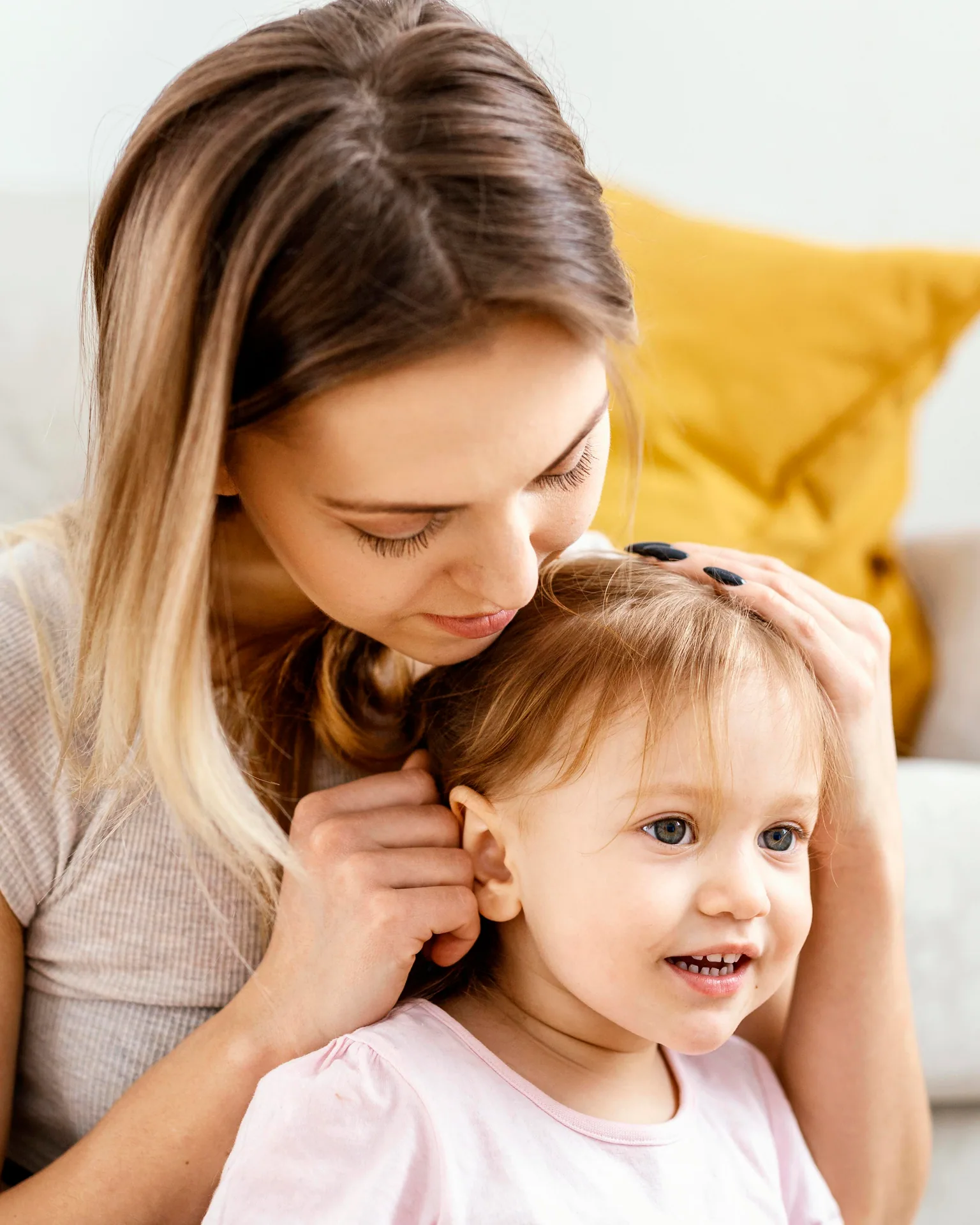
Hearing report: ask how the result changes the decision
A hearing report can describe the effect on each ear and support comparison over time. Ask what the test shows and whether it answers the current question completely. Audiology methods vary with age and ability to respond.
Describe listening at home, in school or childcare and in noisy settings. Everyday observations complement the test rather than replace it. Bring concrete examples of missed instructions or requests for repetition.
Read hearing test information if testing is being arranged. Ask whether another assessment is needed and how it would affect the choice between intervention and continued observation.
Observation period: make monitoring an active plan
An observation period should have a defined review arrangement and advice about communication support. Ask what is expected to improve, who arranges the next test and which new concerns need earlier assessment.
Observation should not leave parents unsure whether to return. A child with additional hearing or developmental needs may require a different approach. Explain those needs before assuming the usual plan for another child applies.
While monitoring, face the child when speaking, reduce competing noise where possible and tell educators about the hearing concern. These steps help communication without deciding the surgical question on their own.
Procedure benefit: define the expected change and the risks
Procedure benefit should be linked to the finding and the concern. Ask what improvement is realistic, how soon it should be assessed and what may remain unchanged. A tube procedure should not be a guarantee of a particular speech or school outcome.
Discuss the relevant risk, anaesthetic arrangements and follow-up before choosing the operation. If adenoid treatment or another procedure is proposed too, request its separate purpose and implications.
Use patient information to prepare practical questions about treatment and home care. Confirm consultation, audiology and hospital charges separately through fees and Medicare information.
Developmental concerns: consider hearing without assuming one cause
Developmental concerns should be discussed with the child’s GP even when ear fluid is present. Hearing may contribute to communication difficulties, but speech, learning or behaviour can have other causes and support needs.
Ask whether another assessment is appropriate alongside ear care. Treating a hearing contributor and investigating a wider concern can be complementary parts of the plan.
After either observation or surgery, confirm how listening and hearing will be reviewed. A completed procedure should not close an unresolved question about the child’s development.
Questions about a grommet decision for children
Should my child have grommets whenever fluid is found?+
“Should my child have grommets?” needs more than the presence of fluid. Hearing effect, duration, examination and individual circumstances guide whether observation or a procedure is appropriate.
When to consider grommets: can timing differ between children?+
The decision about when to consider grommets can differ with hearing, symptoms and additional needs. Ask why the recommendation fits your child rather than applying another family’s timetable.
What should ear fluid history include?+
Ear fluid history should include the dates of findings, whether fluid cleared, infections and hearing results. Separate ongoing fluid from distinct painful episodes where possible.
Is one hearing report always enough?+
A hearing report is considered with the ear examination and course over time. Another test may be useful when it would clarify the decision, but is not automatically needed in every case.
Can an observation period have a clear endpoint?+
An observation period should have a review point and criteria for the next decision. Ask what improvement is expected and which concerns should lead to an earlier visit.
Does procedure benefit include guaranteed better speech?+
Procedure benefit cannot include a guaranteed speech outcome. Hearing improvement may help when relevant, but communication concerns may require other assessment or support.
Should developmental concerns wait until after ear treatment?+
Developmental concerns should be raised with the GP rather than automatically postponed. Ear care and broader assessment may both be appropriate, depending on the child’s needs.
What should happen after the decision?+
Confirm the next appointment, hearing review and who arranges each step. Whether observation or treatment is chosen, the original concern should have a clear plan for reassessment.
Grommet decision for children: prepare for the discussion
A grommet decision for children should connect the evidence with a realistic goal. Bring the ear history, hearing report and daily concerns, then ask why the recommendation fits and how its benefit will be checked.
Start with a conversation.
Send a non-urgent enquiry about arranging a visit. Keep detailed health information and medical records for your consultation.
- 01
Tell us what brings you here
Choose an area of care and leave your contact details.
- 02
Confirm the practical details
Check the location, appointment fee and referral requirements with the practice.
- 03
Prepare for your consultation
Bring relevant reports, medicines and the questions you want to ask.