Nasendoscopy: Know the Question the Examination Is Intended to Answer
Nasendoscopy may be proposed to look at relevant areas inside the nose and upper airway that are not fully visible during a basic examination. It can help clarify a symptom or finding. Before proceeding, ask which area needs assessment and how the result could affect the plan.
ENT Surgeons Melbourne helps you prepare those questions. A camera examination is an investigation, not a commitment to an operation. Its value comes from connecting what is seen with the history and the clinical decision that follows.
Prepare an examination enquiry · Read the first appointment guide
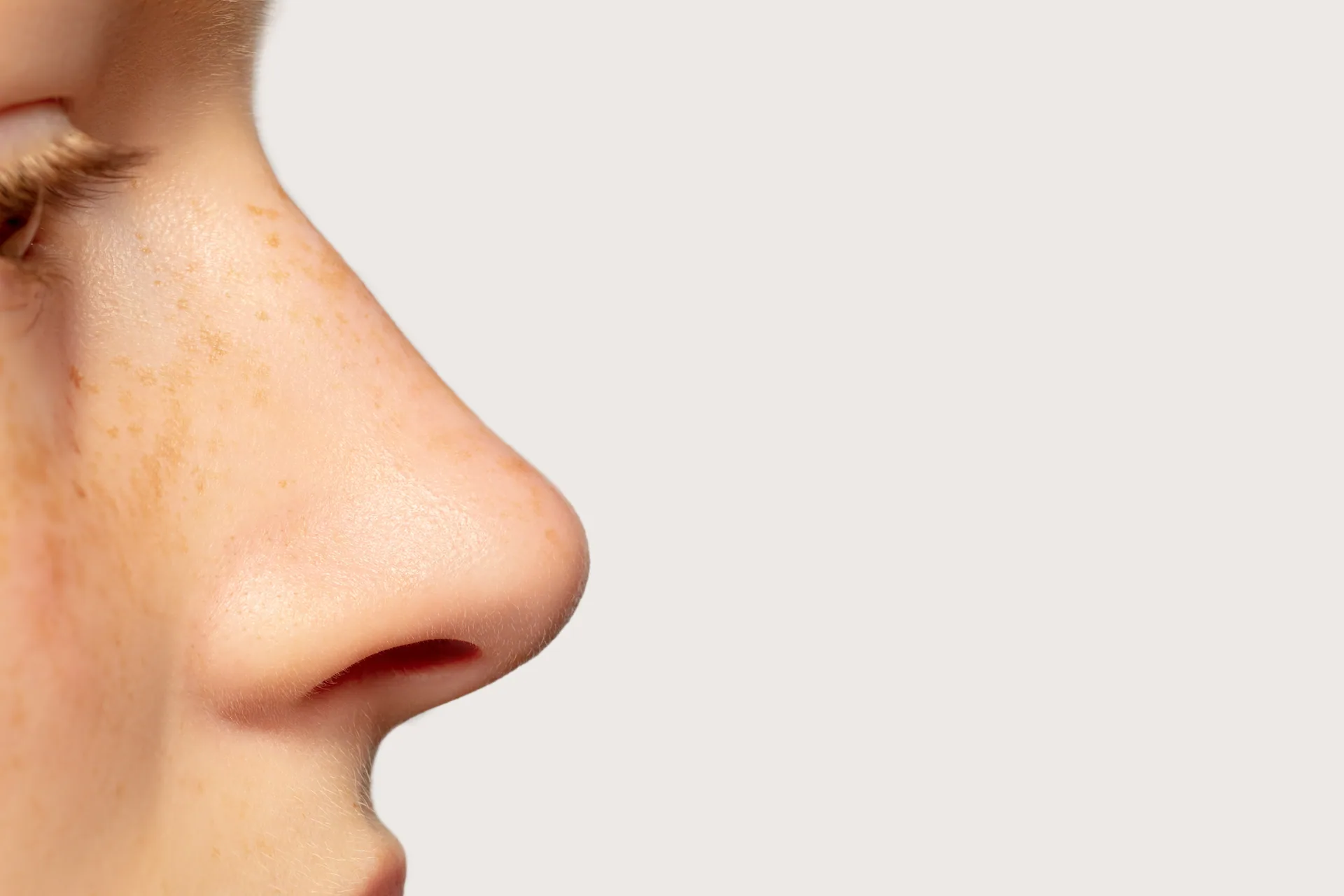
Consider the next step.
Why might flexible nasendoscopy be recommended?
Flexible nasendoscopy may be recommended for selected nasal, throat or voice concerns. The symptoms and initial findings determine the purpose, rather than a routine requirement that every patient has the same test.
Examples of relevant discussions include persistent nasal blockage, a lasting voice change or some swallowing concerns. Different symptoms may still need different investigations beyond a camera view.
Nasoendoscopy should have an explained purpose
Nasoendoscopy should be explained before consent. Ask what the clinician hopes to establish, what the examination involves and which next decisions depend on the result.
An ENT camera examination does not settle every diagnosis
An ENT camera examination does not answer every possible question about the nose or throat. A reassuring view may be useful without fully explaining continuing symptoms. Ask what remains uncertain and whether further assessment is needed.
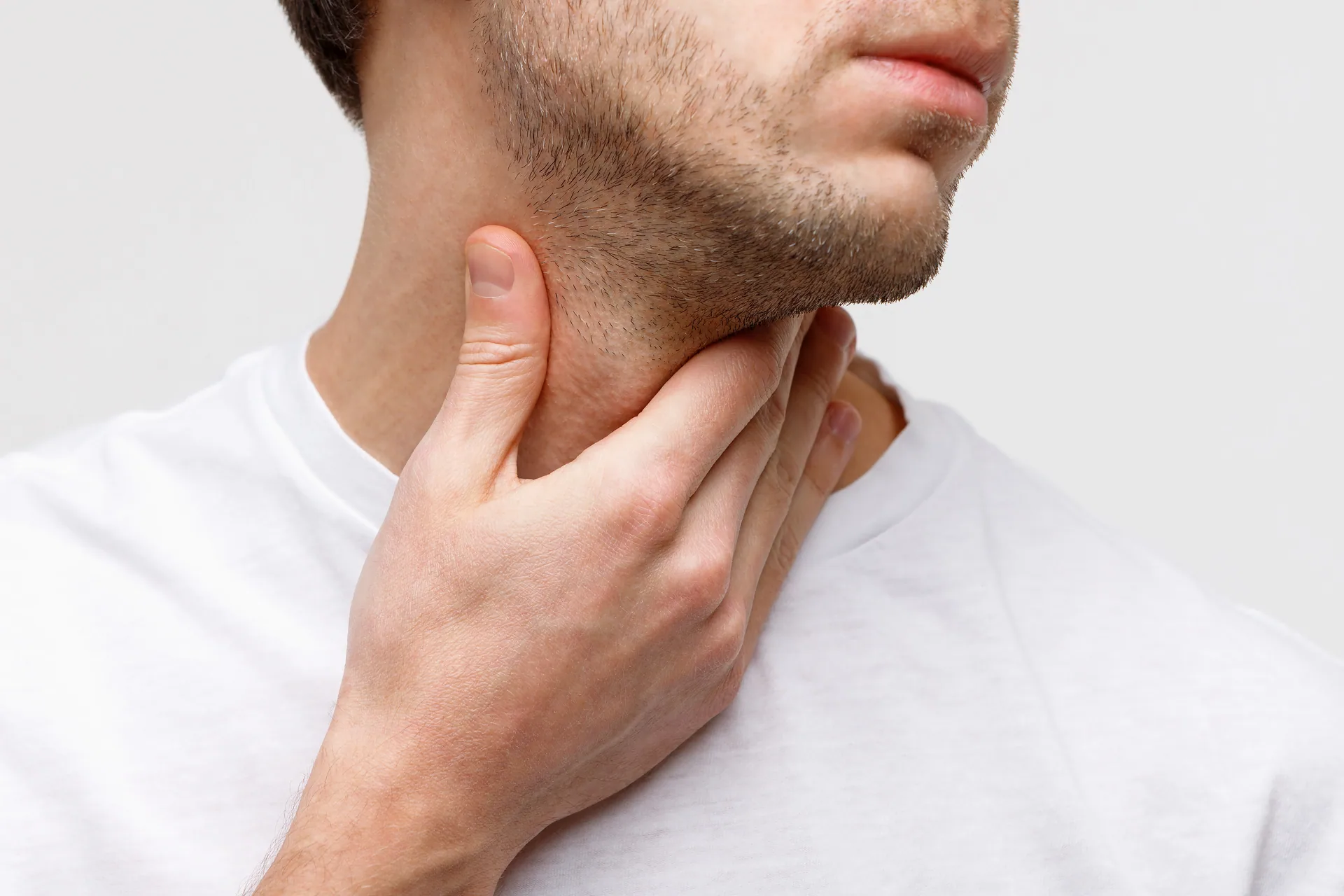
Flexible scope: what happens during the test?
A flexible scope is a thin instrument passed gently through a nostril and nasal passage to view the relevant structures. You are commonly awake, and the clinician may ask you to breathe normally or make sounds according to the assessment.
Explain a strong gag reflex, a very blocked side or earlier difficulty with nasal examinations. Pressure or other discomfort can occur. Speak up if you need clarification or a pause; do not feel that consent prevents you from raising a concern during the test.
The duration and technique depend on what needs examination. Do not assume that a detailed specialist voice test or recording method is automatically part of every routine appointment.

Upper airway examination: understand the area being viewed
Upper airway examination can provide a view of areas of the nose and throat and, where relevant, the voice box. Findings are interpreted with the history, not used as an isolated explanation for every symptom.
The test is different from an investigation of the stomach or the whole food pipe. A swallowing concern may require another examination of function or a different part of the pathway.
Ask the clinician to describe what is being assessed and what a normal or abnormal view would mean for the particular question. This helps distinguish a useful finding from a complete diagnosis.
Local nasal spray: confirm the preparation and aftercare
A local nasal spray may be offered according to the examination and comfort needs. Ask what is being used, its purpose and which instructions apply afterwards. Tell the clinician about important allergies and previous medicine reactions.
If the nose or throat is numb, eating and drinking may need to wait according to the team’s advice. Confirm when it is safe to resume rather than applying a generic interval to every product or examination.
Check any preparation directions with the treating service. Do not assume that fasting or sedation instructions for another type of endoscopy apply to this appointment.
Procedure risks: discuss concerns that matter to you
Procedure risks can include discomfort, coughing, lightheadedness or a nosebleed. Ask what is expected and what symptoms after the visit need advice. Relevant medicines and health conditions should be mentioned before the examination.
The Guy’s and St Thomas’ patient guide describes a voice-focused use of a flexible camera. Its specific service arrangements do not establish what every ENT examination includes.
Ask about the proposed test for you, including whether images will be recorded and how the findings will be explained. Severe or continuing breathing difficulty requires urgent medical assessment rather than a routine enquiry.
Results discussion: turn the view into a next step
A results discussion should explain what was seen and how it relates to the symptom. Ask which findings are relevant, whether anything could not be fully assessed and what that means for further care.
The next step may be observation, a medicine trial, another investigation or a treatment discussion. A camera finding alone should not be treated as automatic agreement to surgery.
If a report or another test is pending, confirm who will arrange and explain it. You should leave knowing which question has been answered and which remains open.
Nasendoscopy arrangements and separate charges
Nasendoscopy arrangements should be checked for the appointment being proposed. Bring the referral, relevant results and medicine information, and ask whether any specific preparation is required.
Confirm whether the examination has a separate charge from the consultation and how possible rebates are handled. Read fees and Medicare information for the questions to raise before the visit.
Questions about an ENT camera examination
Does flexible nasendoscopy mean an operation is needed?+
Flexible nasendoscopy is an examination, not a decision to operate. The findings may support several next steps. Any proposed procedure needs a separate explanation of purpose, alternatives and risks.
Can nasoendoscopy be paused if I am uncomfortable?+
Nasoendoscopy concerns should be raised before and during the test. Tell the clinician if you need a pause or explanation. Consent includes being involved in how the examination proceeds.
Is a flexible scope always used with sedation?+
A flexible scope examination in an ENT appointment is commonly performed while you are awake. Confirm the specific arrangements if another procedure is also planned.
Does upper airway examination assess every swallowing problem?+
Upper airway examination does not assess every cause of swallowing difficulty. Tests of swallowing function or the oesophagus may be needed according to the history and findings.
Can I eat immediately after a local nasal spray?+
A local nasal spray can sometimes cause numbness affecting when eating or drinking is appropriate. Follow the clinician’s instructions for the product and examination used.
Are procedure risks identical for every person?+
Procedure risks and comfort considerations depend on health, anatomy and the proposed examination. Tell the clinician about relevant medicines, reactions and earlier difficulties so they can advise appropriately.
Will the results discussion always finish the investigation?+
A results discussion may identify a next test or review rather than finish every investigation. Ask what has been established and who will coordinate any remaining question.
Should I arrange the test before seeing the clinician?+
Arrange the appointment according to the treating service’s advice. The clinician can decide whether the test adds useful information. Do not assume every initial consultation requires it.
Prepare for your ENT camera examination discussion
An ENT camera examination is easier to understand with a clear purpose and limits. Bring the symptoms and reports, ask about comfort and consent, then confirm how the findings guide the next decision.
Start with a conversation.
Send a non-urgent enquiry about arranging a visit. Keep detailed health information and medical records for your consultation.
- 01
Tell us what brings you here
Choose an area of care and leave your contact details.
- 02
Confirm the practical details
Check the location, appointment fee and referral requirements with the practice.
- 03
Prepare for your consultation
Bring relevant reports, medicines and the questions you want to ask.