Hearing Test Melbourne: Understand the Measures Behind Your Report
A hearing test Melbourne patients arrange can help describe a hearing change and guide the next decision. Different tests examine different parts of hearing, so it matters what was measured and how the result relates to the medical examination.
ENT Surgeons Melbourne helps you prepare questions about testing and reports. Bring earlier results if available and describe the situations that have become difficult. The aim is not simply to obtain a chart, but to understand what it means for investigation, treatment or communication support.
Prepare a hearing assessment enquiry · Read hearing loss information

Consider the next step.
When should a hearing test in Melbourne be considered?
A hearing test in Melbourne may be useful when listening becomes harder, a clinician identifies a concern or hearing needs to be reviewed after treatment. Difficulty following speech in noise, turning up the television or frequently missing words are worth discussing.
Sudden hearing loss needs immediate medical assessment, including when the ear feels newly blocked. Go to an emergency department rather than waiting for a routine test appointment. New neurological symptoms or a change after a head injury also requires urgent care.
A Melbourne hearing test should answer the referral question
A Melbourne hearing test should be selected according to age, symptoms and the reason for assessment. Ask what information the test is intended to provide and whether the result needs medical review as well.
Melbourne hearing assessment includes everyday listening
Melbourne hearing assessment benefits from examples of real listening difficulties. A quiet test room is different from a meeting, classroom or family meal. Explain which situations you want the care plan to address.
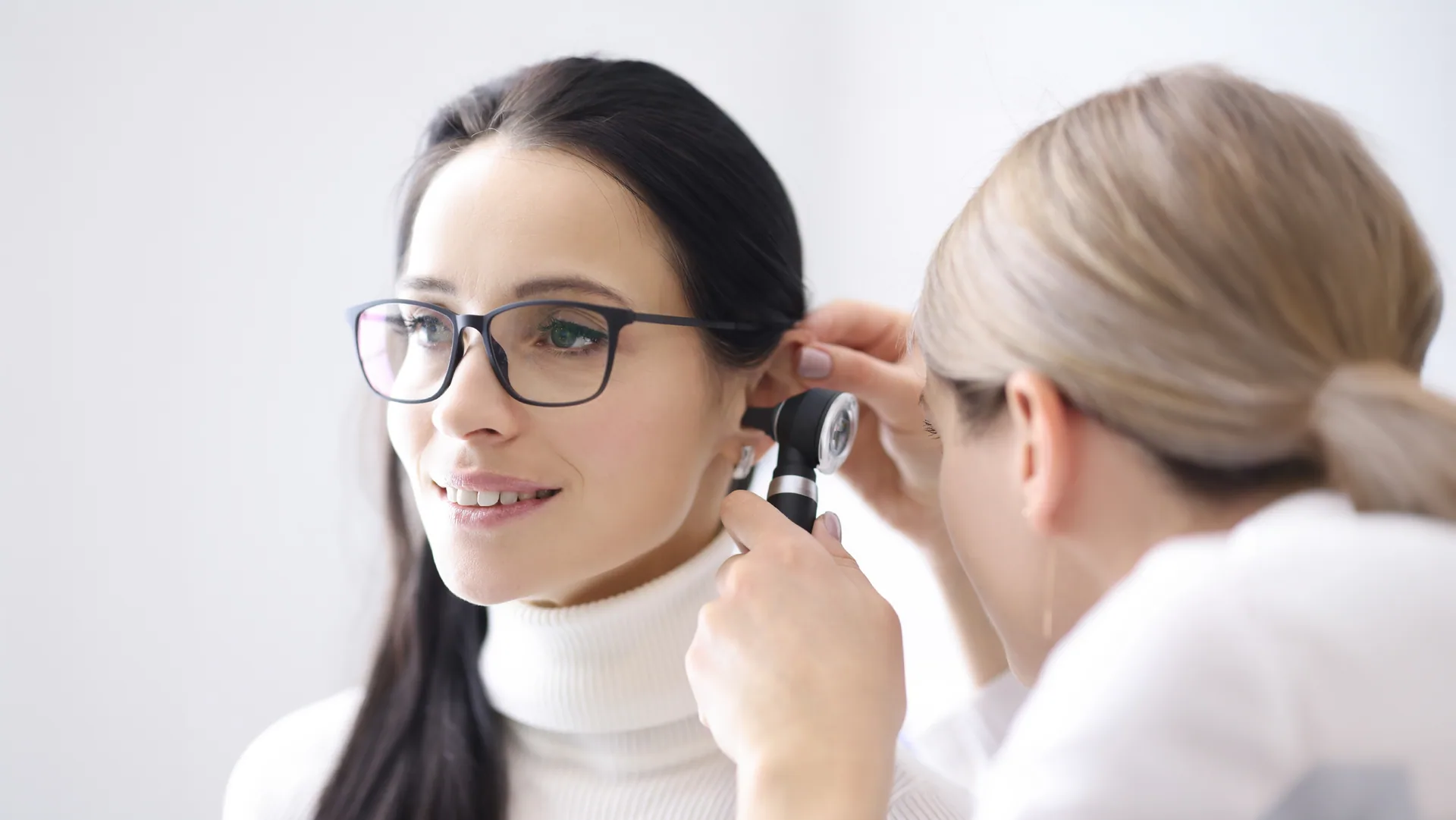
Pure tone audiometry: how quiet a sound can you hear?
Pure tone audiometry uses sounds at different frequencies and levels to assess hearing. In suitable older children and adults, you indicate when you hear a sound, commonly through headphones.
Air conduction testing considers sound presented through the usual route into the ear. Bone conduction uses a small vibrating device against the head to provide related information through a different route. The comparison can help describe the pattern of loss.
Ask the audiologist to explain any part you do not understand. If you are unsure how to respond during testing, say so rather than guessing the instructions. The appropriate method should fit your ability to participate.

Audiogram: connect the chart with the clinical question
An audiogram displays hearing test findings, but it is not a full explanation of every symptom by itself. Ask what it shows about each ear, the level and pattern of hearing and whether the result differs from earlier tests.
The report should be considered with the ear examination and history. A test may guide further investigation, care for an ear condition or discussion of hearing support. It does not automatically mean you need a hearing aid or an operation.
Keep a copy and confirm who will receive it. Healthdirect’s hearing test information explains common test methods and why age and symptoms affect the assessment.
Tympanometry: a different question about the middle ear
Tympanometry assesses aspects of middle-ear function, including eardrum movement in response to pressure changes. It is different from measuring which tones you can hear.
The result can contribute to the overall ear assessment, but needs interpretation with the examination and other findings. Ask what it adds to your report and whether the suspected condition requires a later check.
For a child with retained fluid, read glue ear information. For persistent pain or discharge, use ear infection information to prepare the medical history as well as the hearing questions.
Children's hearing tests: choose a method suited to the child
Children’s hearing tests vary with age and development. Some methods use a response to sound through play or a visual reward. Tests for very young babies can assess responses without requiring a deliberate button press.
Tell the service the child’s age and any additional needs when arranging testing. Bring previous reports and observations from home or school. Difficulty following instructions should not automatically be assumed to be a behavioural choice.
Ask whether the result is complete enough to answer the question or whether another assessment is needed. The paediatric ENT guide helps connect hearing findings with the child’s wider symptoms and care.
Hearing test fees and the next appointment
Hearing test fees depend on the service, provider and applicable funding arrangements. Confirm the charge, referral requirements and whether a medical consultation is separate. Eligibility for a benefit should be checked for your circumstances rather than assumed.
Ask whether an existing report can be used before organising another test. If testing is recommended after treatment, confirm the purpose and timing with the clinician.
Use fees and Medicare information to prepare cost questions. A useful results plan also identifies who explains the report, what happens next and when the response to any treatment will be reviewed.
Questions about a Melbourne hearing test
Can a hearing test in Melbourne diagnose every ear condition?+
A hearing test in Melbourne measures particular aspects of hearing or ear function. Medical examination and history may be needed to establish the cause and decide whether another investigation is appropriate.
Does Melbourne hearing assessment always lead to a device?+
Melbourne hearing assessment does not always lead to a device. The findings may support medical care, observation, further testing or communication support. Ask what option fits the actual result and diagnosis.
Does pure tone audiometry require me to speak?+
Pure tone audiometry generally asks for a response when a sound is heard rather than a spoken conversation. The audiologist explains the response method and can consider an appropriate approach if participation is difficult.
Is an audiogram the same as a diagnosis?+
An audiogram describes hearing findings. It needs interpretation with the history and examination to understand the cause, practical effect and suitable next care decision.
Can tympanometry replace the other hearing tests?+
Tympanometry answers a different question about middle-ear function. It does not replace every measure of hearing. The test combination depends on what the clinician or audiologist needs to establish.
Are children's hearing tests identical to adult testing?+
Children’s hearing tests are selected for age and developmental ability. Some use play, rewards or measured responses rather than the same deliberate response method used by an adult.
Do hearing test fees include an ENT consultation?+
Hearing test fees do not necessarily include an ENT consultation. Confirm charges, referral requirements and possible benefits with the relevant providers before arranging the services.
What should I do about a sudden hearing change?+
Seek immediate medical assessment for sudden hearing loss. Do not wait for a routine hearing test or assume a newly blocked sensation is caused by wax.
Prepare for a useful Melbourne hearing assessment
Melbourne hearing assessment is more informative with earlier reports and clear examples of listening difficulties. Ask what has been measured, what the findings mean and who will guide the next step.
Start with a conversation.
Send a non-urgent enquiry about arranging a visit. Keep detailed health information and medical records for your consultation.
- 01
Tell us what brings you here
Choose an area of care and leave your contact details.
- 02
Confirm the practical details
Check the location, appointment fee and referral requirements with the practice.
- 03
Prepare for your consultation
Bring relevant reports, medicines and the questions you want to ask.