Thyroid Nodules: Read the Findings Together Before Choosing Treatment
Thyroid nodules can be discovered during an examination or on imaging arranged for another reason. A finding within the gland does not automatically mean cancer or establish that surgery is required. The next step depends on the clinical assessment and relevant results.
ENT Surgeons Melbourne helps you prepare to interpret those results together. Bring the full reports and earlier comparisons. Ask which questions have been answered, which remain uncertain and why the next investigation or review is appropriate.
Prepare a thyroid assessment enquiry · Read about thyroid surgery
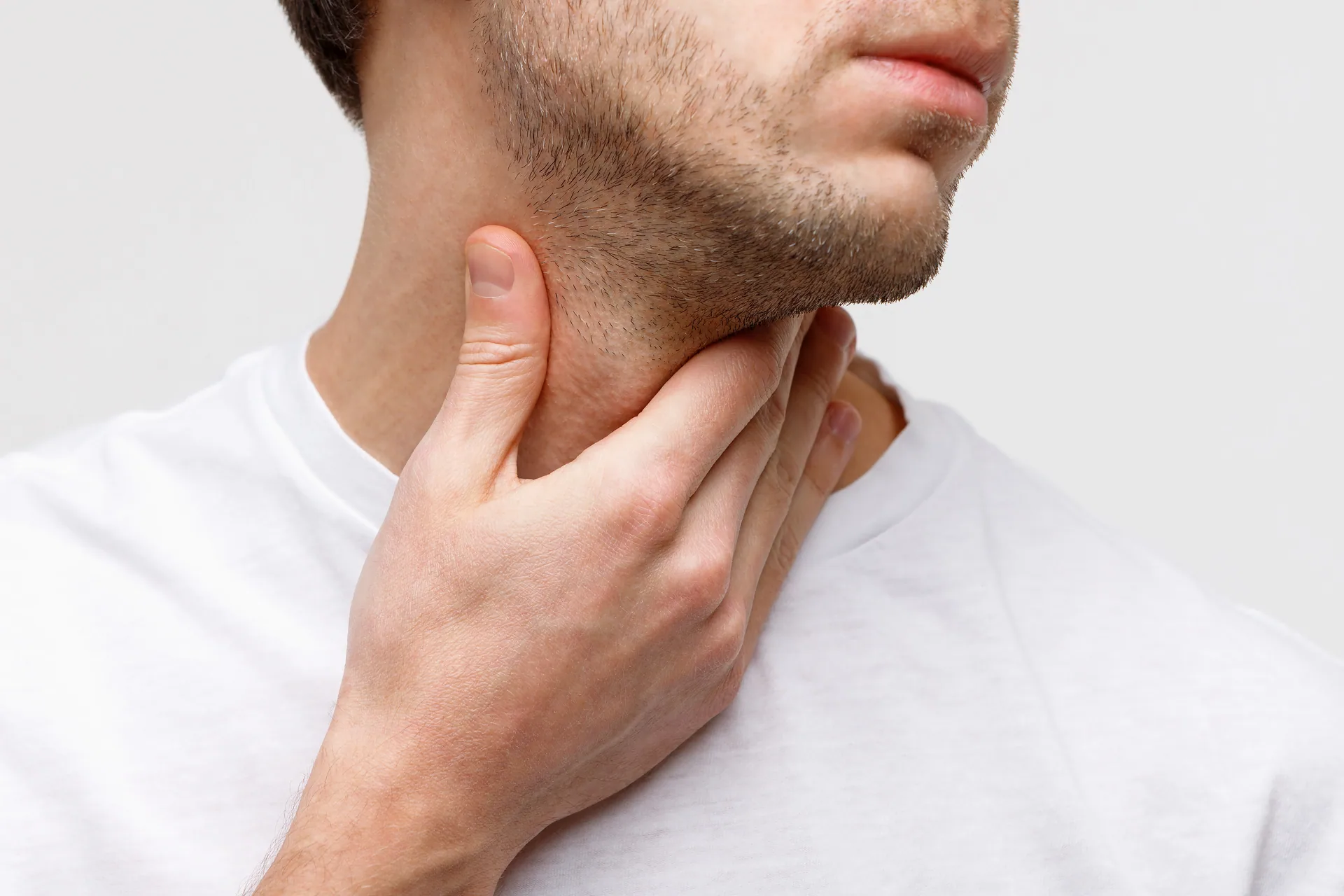
Consider the next step.
What should assessment of thyroid nodules establish?
Assessment of thyroid nodules considers the history, examination, structure and relevant gland function. Symptoms, scan findings and any tissue report contribute different information. No single familiar word on a report tells the whole story.
Tell the clinician about growth, pressure, swallowing difficulty or a new voice change. Mention previous thyroid care, relevant family history and medicines. Severe breathing difficulty or a rapidly changing neck problem needs prompt medical assessment.
Thyroid nodule investigation starts with the clinical question
Thyroid nodule investigation should identify what needs clarification. Ask whether the concern relates to the nodule’s nature, its effect on nearby structures, hormone activity or change over time.
Thyroid nodule care may involve observation
Thyroid nodule care may involve observation when the assessment supports it. Watching should still have a plan: what is monitored, when review occurs and which changes should be reported earlier.
Ultrasound features: more than one measurement
Ultrasound features describe the appearance and location of a finding. The report may mention solid or cystic components and other characteristics. Ask which features affect the recommendation rather than judging the finding from size alone.
The scan can guide whether sampling or later imaging is useful, but does not establish a definite tissue diagnosis in every case. Bring earlier images or access details where possible so changes can be interpreted appropriately.
Do not arrange repeated imaging independently without advice. The clinician can explain what another scan would add and whether it would change the decision.

Hormone testing: assess how the gland works
Hormone testing considers thyroid function. TSH and other results can help assess activity, but normal function does not by itself establish whether a nodule is benign or whether it needs further evaluation.
Tests answer different questions:
| Clinical question | Information that may contribute |
|---|---|
| How is the gland functioning? | Appropriate blood tests and the medical history |
| What is the finding’s appearance? | Ultrasound interpreted in the clinical context |
| What do sampled cells show? | A pathology report from appropriate sampling |
The American Thyroid Association patient guide explains these distinctions. Your clinician should connect the relevant results with an individual next step.
Needle biopsy: clarify why sampling is recommended
A needle biopsy may obtain cells for pathology when the finding and assessment support sampling. Ask which area is being sampled, whether imaging guidance is used and what preparation is needed.
Tell the team about medicines affecting bleeding. Do not stop prescribed treatment on your own. Confirm how the procedure and possible charges will be explained before it is arranged.
The sample result is considered with the examination and scan. It may support observation or another treatment discussion, but some reports need further assessment before a diagnosis is clear.
Indeterminate result: understand the uncertainty and the options
An indeterminate result means the sample has not provided a definite classification in the way required for the next decision. It is different from a clear benign or malignant diagnosis. An insufficient sample is another possible reason a report may not answer the question.
Ask what the report actually says, what remains uncertain and which reasonable options address that uncertainty. Depending on the findings, another sample, further review or a procedure may be discussed.
Do not assume that an unclear report automatically proves cancer or means nothing needs doing. The next recommendation should explain the reasoning and the follow-up arrangement.
Thyroid surveillance: specify the monitoring plan
Thyroid surveillance should identify the examination or imaging needed, the timing and the clinician responsible. The interval depends on the findings and earlier results, not a generic schedule for every nodule.
Ask what change would lead to a new treatment discussion and how to obtain an earlier review if symptoms develop. Keep reports together so the care team can compare the course rather than rely on memory.
If thyroid surgery is proposed, clarify whether the aim is diagnosis, symptom relief or treatment of established disease. The extent and ongoing implications need a separate explanation.
Thyroid nodule care: connect the result with the practical next step
Thyroid nodule care should leave you knowing who arranges the next test and who explains the findings. A scan or sampling appointment being completed does not mean the results discussion is finished.
Confirm charges for consultations, imaging, sampling and any proposed procedure separately. Read fees and Medicare information and referral information to prepare administrative questions alongside the clinical decision.
Questions about thyroid nodule investigation
Does thyroid nodule care always involve surgery?+
Thyroid nodule care does not always involve surgery. Observation or another investigation may be appropriate. The decision depends on symptoms, examination, imaging and relevant pathology.
Can assessment of thyroid nodules be completed from blood tests alone?+
Assessment of thyroid nodules cannot generally rely on blood tests alone to establish the nature of a structural finding. Function, ultrasound and sampling answer different questions where they are indicated.
Do ultrasound features establish cancer with certainty?+
Ultrasound features help assess a finding and guide next steps, but may not establish a definite tissue diagnosis. Ask what the scan supports and whether sampling is recommended.
Can hormone testing be normal when a nodule needs investigation?+
Hormone testing can be normal even when a structural finding needs evaluation. Normal gland activity is not the same as establishing what the nodule represents.
Is a needle biopsy needed for every finding?+
A needle biopsy is not automatically needed for every finding. The clinician considers the relevant features and history to decide whether sampling would help guide care.
Does an indeterminate result mean cancer?+
An indeterminate result does not itself establish cancer. It means uncertainty remains. Ask which options can clarify the finding and what the next decision depends on.
Is thyroid surveillance the same as doing nothing?+
Thyroid surveillance is a planned monitoring approach when appropriate. It should specify what is checked, when and how new symptoms or changes are handled.
What should I bring to the appointment?+
Bring the referral, blood, ultrasound and biopsy reports, image access details and a medicine list. Include earlier comparisons and a timeline of any pressure, voice or swallowing symptoms.
Prepare for assessment of thyroid nodules
Assessment of thyroid nodules is more useful when the reports are considered together. Ask which question each result answers, what uncertainty remains and who arranges the next investigation or review.
Start with a conversation.
Send a non-urgent enquiry about arranging a visit. Keep detailed health information and medical records for your consultation.
- 01
Tell us what brings you here
Choose an area of care and leave your contact details.
- 02
Confirm the practical details
Check the location, appointment fee and referral requirements with the practice.
- 03
Prepare for your consultation
Bring relevant reports, medicines and the questions you want to ask.