Parotidectomy: Understand the Gland, the Extent and the Next Decision
Parotidectomy is an operation to remove some or all of a parotid gland. The reason and extent depend on the finding and clinical assessment. Before choosing surgery, understand what is known about the condition and what the final tissue examination may still need to establish.
ENT Surgeons Melbourne helps you prepare for that discussion. “Salivary gland surgery” covers different operations, so start by confirming which gland is involved. An operation near the ear has different anatomical considerations from one under the jaw.
Consider the next step.
When is parotid surgery considered?
Parotid surgery may be considered for selected findings involving the gland near the ear, including a tumour that needs removal or further diagnosis. The plan should follow the assessment and explain why an operation is preferable to the relevant alternatives.
Many parotid tumours are benign, while some are malignant. A lump’s feel or the absence of pain cannot establish which applies. Ask how the examination and investigations support the current explanation.
Parotid gland removal should have a specified extent
Parotid gland removal does not mean the same amount of tissue for every person. Ask which part is proposed and what features of the finding determine that extent. The operation name alone is not enough information for consent.
An operation on the parotid may need a wider care plan
An operation on the parotid may be part of a wider plan where the diagnosis requires it. Ask which decisions are already established and which depend on the final report. Do not assume every salivary finding needs cancer treatment.
Parotid gland: why the anatomy matters
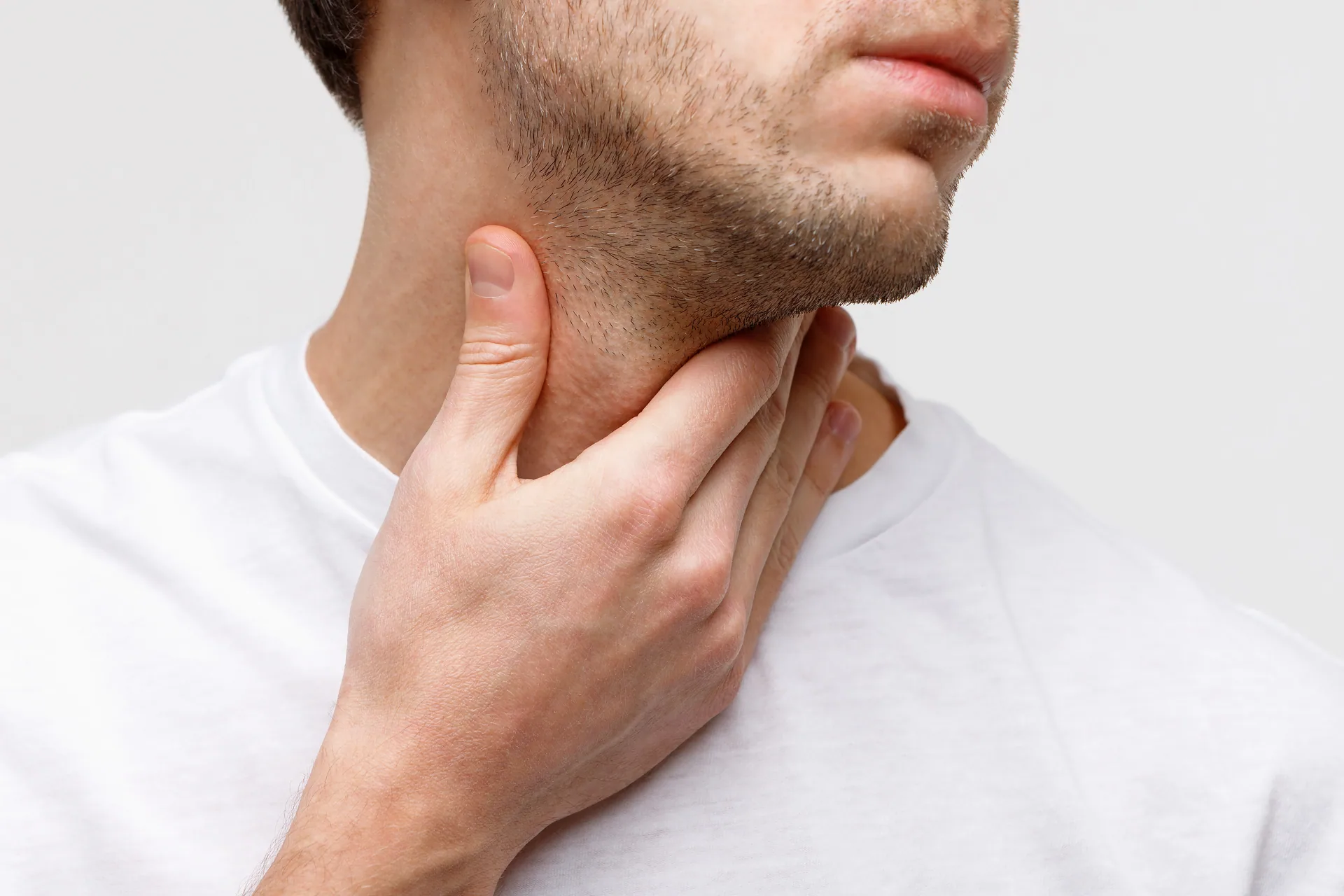
The parotid gland sits near the ear and contributes to saliva production. It is one of several salivary glands. A diagnosis involving this area should not be confused with every swelling in the neck or beneath the jaw.
The facial nerve passes through the gland and makes the anatomical discussion important. The location of a finding in relation to surrounding tissue can affect the operation and the risks considered.
Ask the clinician to explain the relevant anatomy using your own imaging or a diagram. Understanding where the finding lies helps make the proposed extent and recovery questions less abstract.

Salivary gland assessment: bring the investigations together
Salivary gland assessment starts with the history and examination. Ultrasound or other imaging and a needle sample may be considered when appropriate. The tests answer related questions about the location and nature of the finding.
Bring reports and access to existing images, including earlier results for comparison. If a sample was unclear, ask what the uncertainty means and whether another investigation is useful before treatment.
Tell the clinician about growth, pain, swelling related to meals or any facial movement change. A new neurological change or rapidly worsening symptoms needs prompt medical assessment rather than waiting for a routine online response.
Facial nerve: discuss movement, risk and the plan if it changes
The facial nerve controls movements including smiling and eye closure. Its relationship to the parotid makes possible temporary or lasting weakness a key part of the consent discussion.
Ask how the finding and planned extent affect the risk in your case, and how any weakness would be assessed and managed. The explanation should account for an existing movement change or previous treatment where relevant.
Discuss other procedure-related effects too, such as numbness, altered contour or sweating in the area with eating. Ask what is expected, what may persist and which changes should prompt review. Avoid treating the operation as only an issue of scar size.
Superficial parotidectomy and other possible extents
Superficial parotidectomy describes an operation involving the outer portion of the gland in relation to the facial nerve. Other findings may need a different approach. Ask the surgeon to explain the specific operation rather than apply information about one extent to every case.
The Head and Neck Cancer Australia procedure guide explains general considerations. Its discussion includes cancer-related situations that do not apply to every patient. Your diagnosis determines which parts are relevant.
Consent should include the expected benefit, alternatives and general surgical risks as well as the gland-specific issues. Ask about anaesthetic preparation, the likely hospital arrangements and whether another procedure is proposed at the same time.
Postoperative pathology: clarify the finding after removal
Postoperative pathology examines the removed tissue and can affect later treatment or monitoring. Ask when the result is expected and who will explain it, including whether it confirms or changes the earlier working diagnosis.
Do not assume that discharge from hospital means the final report is already available. A planned results discussion should remain in place even when the wound is healing well.
If another specialty or further care is recommended, ask the reason and who coordinates it. The head and neck surgery information helps prepare questions about a broader pathway without assuming that it is required for every gland operation.
Parotid surgery recovery: plan the wound care and daily help
Parotid surgery recovery depends on the actual procedure and health. Ask about the scar, any drain, dressings, washing and activity restrictions. Confirm what will be removed or checked, by whom and when.
Obtain written instructions about medicines and urgent concerns. Rapid swelling, significant bleeding or breathing difficulty needs urgent medical assessment. Report new facial weakness or other changes according to the treating team’s instructions.
Arrange transport and help at home as advised. Request a written estimate once the operation is defined, including separate provider and follow-up charges where relevant. See patient information and fees and Medicare for preparation questions.
Questions about parotid surgery
Does parotid gland removal always mean the finding is cancer?+
Parotid gland removal does not always mean the finding is cancer. Benign tumours can also lead to a surgical discussion. Ask what is known from the assessment and what the final tissue report is intended to establish.
Can an operation on the parotid remove only part of the gland?+
An operation on the parotid may remove part or all of the gland according to the finding. The surgeon should explain the proposed extent and why it is appropriate.
Is every neck lump part of the parotid gland?+
The parotid gland is only one possible source of a finding near the ear or neck. Examination and appropriate tests identify the tissue involved. Other gland operations need different explanations.
Why does salivary gland assessment sometimes include a needle sample?+
Salivary gland assessment may include a needle sample to obtain diagnostic information where appropriate. Ask what the result can establish and what happens if it is insufficient or unclear.
Is facial nerve risk the same in every operation?+
Facial nerve risk varies with the finding, proposed extent and other circumstances. Ask about the risks relevant to your case and how a temporary or lasting movement change would be managed.
Does superficial parotidectomy describe every gland operation?+
Superficial parotidectomy describes a particular extent of parotid treatment. It does not describe every operation on that gland or on other salivary glands. Confirm the actual procedure name.
Can postoperative pathology change the care plan?+
Postoperative pathology can influence the next decision. The clinician should explain whether it confirms the earlier assessment and whether further treatment or monitoring is needed.
Will saliva still be produced afterwards?+
Other salivary glands continue to contribute after an operation on a parotid gland. The effect in an individual case depends on the treatment and other factors. Ask about dryness or other concerns relevant to your plan.
Prepare your parotid surgery questions
Parotid surgery should have a clear purpose, extent and plan for the final result. Bring your reports and ask about facial movement, recovery and who coordinates the next discussion after pathology.
Start with a conversation.
Send a non-urgent enquiry about arranging a visit. Keep detailed health information and medical records for your consultation.
- 01
Tell us what brings you here
Choose an area of care and leave your contact details.
- 02
Confirm the practical details
Check the location, appointment fee and referral requirements with the practice.
- 03
Prepare for your consultation
Bring relevant reports, medicines and the questions you want to ask.