Grommets Surgery: Make the Decision Around Hearing and Symptoms
Grommets surgery places small ventilation tubes in the eardrum to help selected middle-ear problems. It may be discussed when fluid or recurring infections affect hearing or wellbeing. The useful first question is whether the findings explain the symptoms, rather than whether an operation can be arranged quickly.
ENT Surgeons Melbourne explains the choices involved in ear, nose and throat care. Here, you can prepare for a discussion about monitoring, testing and treatment. A recommendation should account for the individual patient; having an ear problem does not automatically mean needing tubes.

Consider the next step.
When might grommet insertion help?
Grommet insertion may help when a clinician identifies a middle-ear problem that ventilation tubes are suited to treating. Your history, examination and hearing results help put that decision into context.
An ear that feels blocked can have several explanations. Fluid behind the eardrum is different from wax in the ear canal, and both are different from an inner-ear hearing problem. Tell the specialist if symptoms affect one side or both, how long they have lasted and whether there is pain or discharge.
If infections keep returning, bring a record of episodes and previous treatment. An accurate account is more useful than trying to remember every date in the consulting room. It also helps the clinician consider whether observation or a procedure is the more reasonable next step.

Glue ear does not always require an operation
Glue ear is fluid in the middle ear that can affect how sound is conducted. Some cases improve over time. The decision to monitor or treat depends on the effect on hearing, how long the problem has continued and the wider clinical picture.
Parents may notice a child turning up the television, missing parts of a conversation or seeming distracted in a noisy room. Those observations are useful, but they cannot diagnose the cause on their own. An assessment can help distinguish an ear problem from other explanations.
If monitoring is recommended, ask what is being watched and when review should occur. A plan to observe should still tell you which changes matter and who to contact if concerns increase. You should understand what would prompt the treatment decision to be reconsidered.
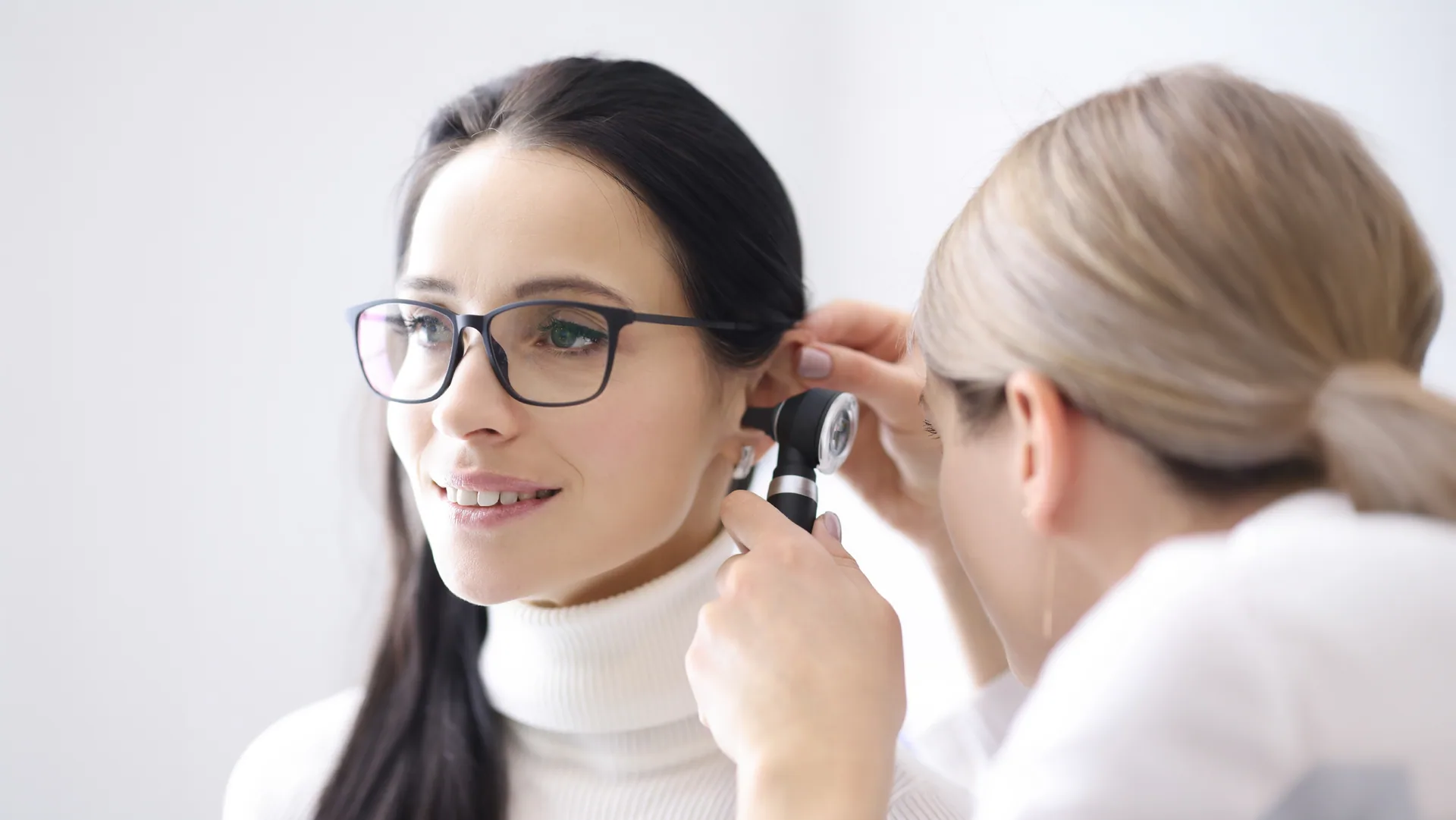
What a hearing test adds to the conversation
A hearing test can help establish whether hearing is reduced and describe the pattern of that reduction. Its role is to inform the clinical decision, rather than simply add another appointment to the process.
Bring earlier results if they are available. The specialist may want to compare findings over time or arrange testing suited to the patient’s age. Ask what the result shows and whether it changes the recommendation.
Hearing is also part of follow-up. Before choosing treatment, ask how the result will be assessed afterwards and whether another test is planned. A child appearing to hear better is encouraging, but it does not replace any review the treating team recommends.

Grommets for children: consider the day-to-day effect
Grommets for children should be considered in the context of ear findings, hearing and the child’s needs. The same examination result may lead to a different discussion when one child is struggling with communication and another has fewer difficulties.
Describe what happens at home, childcare or school. Useful details include needing questions repeated, listening closely to one side or becoming frustrated during conversation. Include sleep and infection concerns without assuming they all share the same cause.
Ask the clinician to explain the expected benefit in terms you can use at home. Does the proposed treatment aim to ventilate an ear with persistent fluid, reduce a particular infection pattern or address another issue? That explanation should be clearer than a general promise of better development or behaviour.
Grommet insertion and a child’s understanding
Grommet insertion can be explained to a child in simple, calm language appropriate to their age. Ask the hospital team what parents can expect before and after the procedure so that your explanation matches the actual arrangements.
If surgery is planned, follow the team’s instructions about illness, medicines and fasting. Tell them about relevant medical conditions or concerns about previous anaesthetics. A general webpage cannot provide individual pre-operative instructions.
Ear grommets for adults need their own assessment
Ear grommets for adults may be considered for selected middle-ear conditions. The procedure is not limited to children, but adult symptoms still need a diagnosis rather than an assumption that tubes will help.
Mention changes associated with illness, pressure, previous operations or an existing hearing condition. Explain whether the problem is constant or comes and goes. The specialist can then decide what examination or investigation is relevant.
Adults may also have questions about hearing devices, work, travel and water exposure. Bring those questions to the visit. Advice about one person’s ear condition should not be treated as a rule for every patient considering the same procedure.
Ventilation tube surgery and the treatment goal
Ventilation tube surgery is intended to address an appropriate middle-ear problem. It does not treat every cause of hearing loss. Ask which part of your symptoms the procedure is expected to change and what may require separate care.
The operation involves creating a small opening in the eardrum and placing the tube. A general anaesthetic is commonly used. Confirm the planned anaesthetic, whether both ears are involved and the arrangements for going home with your treating team.
Grommets recovery includes care after you leave
Grommets recovery includes the initial period after the procedure and review while the tubes remain in place. Ask for written instructions before leaving the hospital, including what to do about discomfort, discharge or a new infection.
Care advice may cover washing, swimming and other activities. Follow the instructions provided for you or your child, rather than adopting a different family’s routine. If the instructions are unclear, ask the treating team to explain them before the next activity or outing.
Discuss possible complications before choosing an operation. These can include infection, discharge and a persistent opening in the eardrum. Tubes can also come out earlier than expected, and middle-ear problems can return. Ask how those possibilities would be managed and when follow-up is planned.
What does ventilation tube surgery cost?
Ventilation tube surgery can involve separate consultation, hearing assessment and hospital fees. Before booking further care, ask which charges apply to the proposed arrangements and request a written estimate where surgery is being considered.
Check whether the surgeon, anaesthetist and hospital bill separately. If Medicare or private health insurance may contribute, confirm the relevant eligibility and any out-of-pocket amount with the provider or fund. This page does not state an unverified fee or imply that every patient receives the same cover.
It is also reasonable to ask about review appointments and hearing testing after treatment. Knowing what is included helps you compare the full plan rather than one part of the cost.
Questions about deciding and preparing
Is grommets surgery always needed for repeated ear infections?+
Grommets surgery is not automatically needed for every pattern of ear infections. The recommendation depends on the examination, history and impact on the patient. Ask what makes observation or intervention reasonable in your circumstances.
Can an ear tube procedure fix every hearing problem?+
An ear tube procedure does not fix every type of hearing loss. It may help an appropriate middle-ear problem, while other causes require different care. Ask how the diagnosis explains the treatment being proposed.
How are grommets for children assessed?+
Grommets for children are assessed using the symptom history, ear examination and hearing information where appropriate. The duration and effect of the problem matter. Bring earlier reports and observations from home or school.
What should I ask about grommets recovery?+
Grommets recovery questions should cover care at home, water exposure, discomfort, discharge and planned review. Obtain instructions from the team providing treatment because the advice needs to fit the procedure and patient.
Are ear grommets for adults different to assess?+
Ear grommets for adults still require an individual assessment of the cause of symptoms. A procedure that helped a child or another adult may not be suitable for your diagnosis.
Will the tubes stay in permanently?+
Most tubes are intended to come out over time. Ask which type is proposed and what follow-up is needed to check the eardrum and hearing. Do not try to put a tube back into the ear yourself.
Can I choose monitoring instead?+
Monitoring may be appropriate in some situations. Ask what would be reviewed, how follow-up would be arranged and which changes should prompt earlier advice. The clinician can explain any risks of waiting in your case.
What should I bring to the first consultation?+
Bring the GP referral if you have one, previous ear and hearing reports, a medicine list and notes about the problem. Include the practical questions that affect your decision, such as school, work or care at home.
Discuss grommet insertion with the whole plan in view
Grommet insertion is easier to consider when you understand the diagnosis, expected benefit and follow-up. Start with the ear concern and the questions that matter to you or your family.
Use the enquiry section to check appointment arrangements. Confirm availability and fees directly with the practice; an enquiry does not confirm a booking. You can ask for more information before deciding on treatment.
Any surgical or invasive procedure carries risks. Before proceeding, you should seek a second opinion from an appropriately qualified health practitioner.
Further patient information: Read the source information.
Start with a conversation.
Send a non-urgent enquiry about arranging a visit. Keep detailed health information and medical records for your consultation.
- 01
Tell us what brings you here
Choose an area of care and leave your contact details.
- 02
Confirm the practical details
Check the location, appointment fee and referral requirements with the practice.
- 03
Prepare for your consultation
Bring relevant reports, medicines and the questions you want to ask.